Figuring out what to do in retirement is harder than it sounds. You’ve got more free hours than you’ve had since childhood, and no boss telling you how to fill them. That’s a gift and a puzzle at the same time.
This guide covers 101 ideas across eight areas: hobbies, travel, staying active outdoors, learning something new, work worth doing on your terms, giving back, quiet ways to spend an afternoon, and time with the people who matter most. Pick a few and skip the rest. There’s no wrong way to build a retirement that fits you.
If purpose and meaning are what you’re looking for, this detailed guide goes deeper into that question specifically.

What Are the Best Hobbies for Retirees?
A 2025 study using data from the University of Michigan’s Health and Retirement Study found that older adults with high social engagement, things like volunteering, joining clubs, and staying physically active, had a 42% lower mortality risk and a biological age nearly four years younger than less-engaged peers. Hobbies are one of the easiest ways to build that kind of engagement into your week.
- Gardening. Time spent working the soil is tied to better mood and lower stress.
- Join a book club. Regular conversation with the same group builds steady social contact.
- Learn an instrument. Piano and guitar are common starting points, but your voice counts too.
- Volunteer locally. Food banks, animal shelters, and hospitals almost always need steady hands.
- Take up pickleball. It’s social and gentle on the joints, and courts are showing up everywhere.
- Paint or draw. No talent required to start. The process matters more than the finished piece.
- Start a walking group. Recruit two or three neighbors and pick a regular time.
- Research your family tree. Genealogy sites make it easier than ever to trace roots back generations.
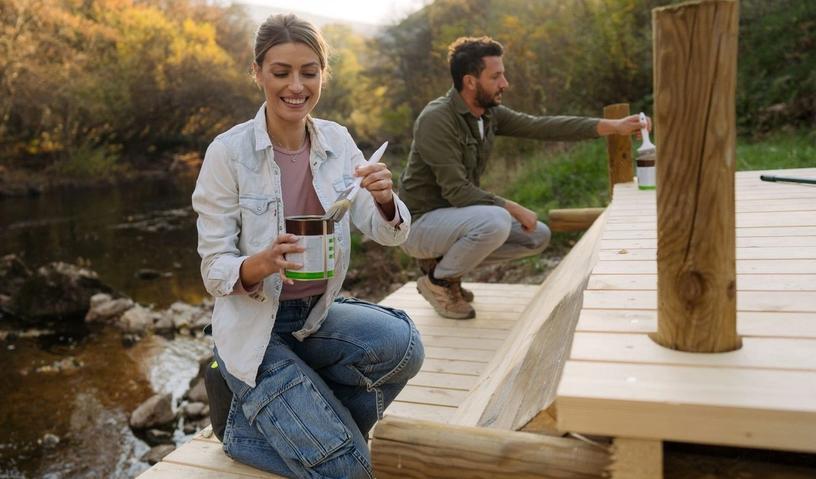
- Build something in a woodshop. Furniture, birdhouses, and cutting boards all make good starting projects.
- Take a dance class. Ballroom, line dancing, or swing all move your body without feeling like a workout.
- Try pottery or ceramics. A local studio often supplies the wheel, the clay, and the kiln.
- Learn chess or bridge. Both reward regular practice and come with built-in social communities.
- Start a collection. Coins, vintage cameras, stamps, whatever catches your interest works.
What Are Good Travel Ideas for Retirees?
You don’t need a passport or a big budget to travel well in retirement. Some of the richest trips happen a few states away, or in a neighboring town you’ve never explored. This roundup of 20 retirement travel ideas digs into a lot of these in more detail if you want to go deeper on any one of them.
- Try a house swap. Services connect you with homeowners who want to trade for a week or a season.
- Take an RV out for a season. Full-time RV communities are more social than most people expect.
- Book a repositioning cruise. Cruise lines sell steep discounts when ships relocate between seasons.
- Visit every national park within a day’s drive. Most regions have at least three or four worth the trip.
- Become an Airbnb host while you travel. Renting out your home part of the year can help fund the trip itself.
- Take a train trip instead of flying. Long routes turn travel time into part of the vacation.
- Plan a multigenerational trip. Someone else can handle the itinerary if you’d rather relax.
- Explore your own state first. Most people never see half of what’s within a few hours of home.
- Try an international home exchange. Some services connect retirees across countries for month-long stays.
- Volunteer abroad. Structured programs pair travel with a reason to be there.
- Road-trip a route you’ve always wanted to drive. Route 66 and the Pacific Coast Highway both reward slow travel.
- Try long-term house-sitting. Housesitting platforms connect you with homeowners who need someone to stay while they’re away, often in places you wouldn’t otherwise visit.
- Book a slow travel month. Renting a single home base for a month beats packing five cities into ten days.
What Are the Best Outdoor Activities for Retirees?
Time outside and time moving your body tend to show up together in the research on healthy aging. This is where hobbies and habits overlap the most.
- Take up hiking. Local trail groups make it easier to find routes suited to your pace.
- Try kayaking or canoeing. Most lakes have rental spots that don’t require owning gear.
- Go fishing. A boat, a pier, or the bank of a quiet stream all work.
- Learn tai chi. It’s low-impact and shows up often in balance and fall-prevention research.
- Take up cycling. E-bikes have made this more accessible for aging knees.
- Try geocaching. It turns a walk into a scavenger hunt using nothing but a phone.
- Join a local golf league. Courses often run senior-specific tee times and rates.
- Go birdwatching. All it takes is a decent pair of binoculars and some patience.
- Start swimming laps at a community pool. It’s one of the gentlest full-body workouts around.
- Take up tennis. Most cities have active senior league communities.
- Go camping. A tent, a cabin, or an RV all count.
- Try a fitness class built for older adults. Water aerobics and chair yoga are common options.
- Join a trail maintenance crew. Parks departments often rely on retiree volunteers for upkeep.
What Are Good Ways to Keep Learning in Retirement?
Learning something new doesn’t stop mattering once you retire. It might matter more, since it’s one of the clearest ways to keep your mind sharp.
- Take an online course. Coursera and edX offer university-level classes with no exam pressure.
- Learn a new language. Apps make daily practice easy, and travel gives you a reason to use it.
- Join a museum membership program. Many host lecture series and behind-the-scenes tours for members.
- Attend a local lecture series. Universities and libraries often open these to the public for free.
- Write a book. Whether it’s a memoir or a how-to guide, self-publishing makes this more realistic than it used to be.
- Take a structured photography course. Moving past auto mode opens up a genuinely different hobby.
- Learn to code. Retirees build apps and websites as a hobby more often than you’d think.
- Study a subject you never had time for. Art history and astronomy are both popular choices.
- Join a trivia league. It’s social, competitive, and keeps your recall sharp.
- Take a class at a community college. Many offer reduced tuition for adults over 60.
- Learn a new skill through video tutorials. Woodworking, cooking, and repair channels teach almost anything for free.
- Start journaling. It’s a simple habit that sharpens reflection and memory over time.
- Take a calligraphy or hand-lettering class. It’s a slow, meditative skill that improves with practice.
Work and Income Ideas If You Want to Keep Earning
Retiring doesn’t have to mean the end of earning. People between 55 and 64 make up close to a quarter of new business owners in the United States, according to Kauffman Foundation research. If starting something of your own after 50 sounds appealing, you’re part of a much bigger trend than you might think.
- Start a consulting practice. Companies often pay well for someone who already knows the job.
- Take a seasonal job. Ski resorts and national parks hire retirees specifically for this kind of flexible work.
- Teach online. Course platforms let you build a class once and sell it indefinitely.
- Tutor students in a subject you know well, for pay. Online tutoring platforms make this easy to start part time.
- Take a sabbatical instead of a full retirement. A few months off can test the waters before you commit, and it’s a more common move than most people realize.
- Open a small shop or storefront. Retail is demanding, but it’s a chance to build something entirely your own.
- Freelance in your old field. Many companies would rather hire a familiar face part time than train someone new.
- Become a substitute teacher. Schools are almost always short-staffed and open to career-changers.
- Drive for a rideshare or delivery service. It’s flexible enough to fit around everything else on this list.
- Rent out a room or your whole house while you travel. Short-term rental income can help fund the trips above.
- Start an online shop. Selling crafts, art, or specialty goods through a marketplace site costs little to try.
- Take on contract or project work in your old industry. Many companies hire former employees back as contractors.
- Become a notary or process server. Both are inexpensive to get certified in and pay per job.
For a deeper look at part-time options specifically, this list of 20 good part-time jobs for retirees breaks down pay and what each role involves.
What Are Good Ways to Give Back in Retirement?
A Washington University study found that older adults who volunteer, and who put in more hours doing it, report higher levels of well-being than those who don’t.
- Volunteer at a food bank or shelter. Most run on retiree volunteers and always need more hands.
- Mentor a young professional in your old field. Many industries run formal mentorship programs aimed at retirees.
- Join a nonprofit board. Your career experience is exactly what small nonprofits struggle to find.
- Foster or volunteer at an animal shelter. Dogs and cats need walking, feeding, and attention every day.
- Tutor kids through a volunteer literacy program. Reading programs are almost always short-staffed.
- Get involved with your faith community. Many congregations rely on retiree volunteers for everything from meals to visits.
- Volunteer after a natural disaster. Organizations like the Red Cross train volunteers for exactly this kind of response.
- Coach a youth sports team. Leagues are often desperate for coaches with any experience.
- Deliver meals to homebound neighbors. Programs like Meals on Wheels run almost entirely on volunteer drivers.
- Volunteer at a hospital or hospice. Many facilities depend on volunteers for patient visits and support tasks.
- Organize a neighborhood cleanup or beautification project. It’s an easy way to build local connection fast.
- Serve on a local government board or commission. Planning and zoning boards especially tend to need volunteers.
What Are the Best Leisure Activities for Retirees?
Not every day in retirement needs a plan. Some of the best ones don’t.
- Read through the stack of books you’ve been meaning to get to.
- Start a weekly movie night, alone or with friends.
- Learn a card game like canasta, euchre, or poker.
- Try wine tasting at a local vineyard or tasting room.
- Spend an afternoon people-watching at a park or town square.
- Work through jigsaw puzzles, alone or as a running project with a partner.
- Spend an afternoon at a museum with no agenda beyond wandering.
- Nap without guilt. You’ve earned it.
- Cook a meal from scratch just because you finally have the time.
- Watch classic films you never got around to seeing.
- Sit on a porch or patio and do nothing in particular for an hour.
- Listen to a podcast series from start to finish.
If you’re curious whether spending on experiences like these moves the needle on happiness, look into research on how money and happiness connect.
How Should Retirees Spend Time With Family and Friends?
Retirement changes who you spend time with and where. Both are worth thinking through on purpose.
- Spend more time with your grandkids. Ask what they’re into instead of assuming.
- Go to your next high school or college reunion. Old friends have a way of reminding you what you cared about.
- Build a wider circle of friends, including some younger than you. Different generations bring different energy.
- Downsize to a smaller home that fits your current life, not your old one. This guide to finding the best places to retire is worth a look whether you’re moving across town or across the country.
- Remodel your current home if you plan to stay. A safer bathroom or a first-floor bedroom can matter more later.
- Try a grown-up summer camp. Fishing camps, art camps, and fitness camps for adults exist in almost every state.
- Host a regular family dinner or game night. A standing tradition is easier to keep than a spontaneous one.
- Reconnect with an old friend you’ve lost touch with. A short message is often all it takes.
- Join a retiree social club or senior center. Most run activities several times a week.
- Move closer to family, even part time, if distance has been the barrier.
- Start a standing phone or video call with family who live far away.
- Host an annual family reunion of your own.
How to Choose What’s Right for You
With this many options, the hard part is picking the ones worth your time. A few questions can help narrow the list:
- What did you love doing as a kid, before responsibilities took over?
- Looking back from the end of your life, what would you regret never trying?
- What’s your favorite book or movie, and what does that tell you about what you value?
- If money weren’t part of the equation, what would you be doing right now?
- Who matters most to you, and how much of this list involves them?
- What would your ideal day look like, start to finish?
Pick two or three ideas from this list and try them before committing further. Interest tends to reveal itself through action, not through more planning. If you want a more structured way to work through these questions, writing a retirement manifesto turns this kind of reflection into something concrete you can revisit.
Make Sure Your Plan Can Support Your Plans
Every idea on this list costs something, whether that’s money, time, or both. A part-time consulting gig might barely touch your savings, while six months of international travel could reshape your whole budget.
The Boldin Planner lets you model what an idea like early retirement travel or a career change does to your long-term numbers, so you can say yes to more of this list with confidence instead of a guess.
Frequently Asked Questions About Things to Do in Retirement
What are the best hobbies for retirees to try first?
Gardening, volunteering, a book club, and learning an instrument are common starting points for a first hobby in retirement. Each builds regular social contact or a repeatable routine, both linked to better health outcomes. Something low-cost and low-commitment makes it easier to find what holds your interest before committing further.
What can I do in retirement if I want to keep earning money?
Retirees who want to keep earning often turn to consulting in their old field, seasonal work, tutoring, or freelance projects, all common paths back to income without a full-time job. Many also start small businesses. People aged 55 to 64 represent close to a quarter of new business owners in the United States, and that share keeps growing.
How do I figure out what to do with all my free time in retirement?
Figuring out what to do with newly open time starts with thinking about what you loved before work took over your schedule, and what you’d regret never trying. A short list of three or four ideas, tested one at a time, works better than planning out every day in advance. Give each idea a try before deciding if it fits.
What are good retirement activities for someone who isn’t very social?
Retirees who prefer solo time tend to do well with reading, gardening, painting, genealogy research, or hobbies like woodworking and photography, none of which require group participation. Plenty of retirees build a fulfilling routine around solitary pursuits and add social activities only when they want them, not out of obligation.
Is it normal to feel bored or restless after retiring?
Feeling bored or restless after retiring is common enough that researchers study it directly. The shift from a structured workday to open time takes adjustment for most people. Building a loose routine, even a simple one, tends to help more than trying to fill every hour with activity right away.