Most people assume you need money for everything. A small number of people have tested that assumption as a way of life. They cover housing, food, healthcare, and transportation without cash, credit, or a bank account. It’s demanding, and not practical for most people. But the choices they’ve made carry lessons worth knowing about what lasting security requires.
Two of the most documented examples are Jo Nemeth, who was 56 when profiled last year by The Guardian, living in Australia, and Mark Boyle, who carried out his famous three-year experiment near Bristol, England.
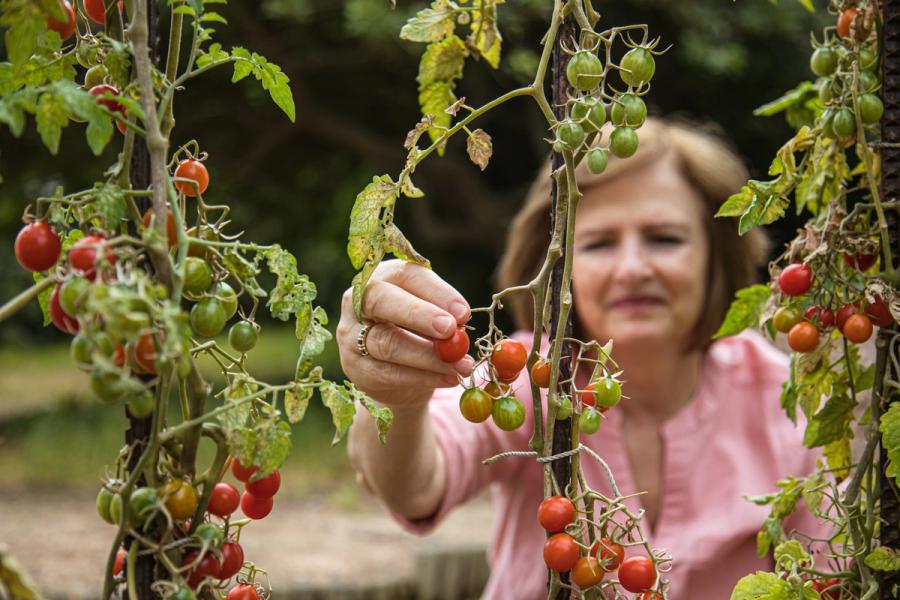
Yes, It’s Possible to Live Without Money. Here’s What That Looks Like.
Nemeth abandoned money in 2015, inspired by Mark Boyle’s book The Moneyless Man: A Year of Freeconomic Living. She grew up on a farm with a frugal ethos, and now grows her own food, participates in gift economies, and exchanges skills and labor for what she needs. She says she feels more secure than when she was earning a salary.
Boyle carried out his moneyless experiment near Bristol, England. It grew out of concerns about consumerism, environmental sustainability, and financial dependence. He originally planned to try it for one year. He found it so rewarding he kept going, and ended up living without money for roughly three years. He later used book royalties to buy land in County Galway, Ireland, where he started a gift-economy community project.
The Six Systems They Built to Replace What Money Buys
Nemeth and Boyle each built a practical infrastructure from scratch: housing, food, healthcare, transportation, communication, and community exchange. Six systems that together made cashless life workable, if demanding.
Housing came through barter and goodwill
Boyle found a caravan for free on Freecycle, then bartered three days a week of volunteer work on a nearby organic farm in exchange for a place to park it. Nemeth moved through several living arrangements before settling with friends, trading cooking, cleaning, and household work for a place to stay.
Growing and foraging were their primary food sources
Growing their own food and foraging anchored both of their food systems. Boyle also dumpster-dived for clothing and edible discards. Nemeth took a different approach. She told The Guardian she didn’t do much dumpster diving, relying instead on her own garden and surplus food that friends passed along.
Natural remedies covered most health needs. Dental care didn’t.
Natural remedies and preventive care served as their main health strategy. When Nemeth needed dental surgery, her initial plan was to fund it through skill-sharing donations, teaching people to make tofu or apple scrap vinegar in exchange for contributions. She was ultimately accepted by a government-funded public community dentist. Living without money doesn’t mean living outside publicly funded systems.
Bicycles handled most of the transportation
Bicycles handle the bulk of their transportation. Boyle avoids cars and public transit entirely. Nemeth hitchhikes when a longer trip requires it.
Nemeth stayed connected. Boyle didn’t.
Nemeth has a smartphone a friend gave her, with no SIM card and no phone plan. She connects over her household’s Wi-Fi to access the bartering and Freecycle communities on social media. Boyle cut off digital life entirely.
Community exchange did the rest
Neither Boyle nor Nemeth functions in isolation. Each built a network of people willing to share skills, goods, and time. That web of relationships is what makes everything else viable.
Five Things Moneyless Living Can Teach Anyone About Financial Security
Most people won’t give up money. But what Nemeth and Boyle figured out points to something worth understanding. Community, self-sufficiency, and spending less create a different kind of security, and none of it requires abandoning money to be useful.
Your community is a financial asset
Relationships like carpooling, swapping services, and joining a local food co-op all carry real financial value. A strong network provides support, resources, and skill exchange that reduces how much cash you need.
Nemeth told The Guardian she feels more secure now than when she was earning a salary because “true security has always come from living in community.” She now has time to help neighbors with their gardens, care for sick friends, and build what she calls “social currency”: the kind of reciprocal goodwill that money can’t replicate.
Buying less saves more than you’d expect
Nemeth and Boyle reuse, repurpose, and consume less. A minimalist approach, buying only what you need, produces real savings and sharpens your sense of what you already have.
Gift economies and bartering are real options
Several established systems run on gift economy principles. They’re worth knowing about even if you never abandon money.
| System | What It Is | Where to Find It |
|---|---|---|
| Freecycle | Global network for giving and receiving free items | Freecycle.org |
| Buy Nothing | Local neighborhood sharing and gift groups | Facebook or the Buy Nothing app |
| Craigslist Barter | Goods and services traded without cash | Craigslist.org → Barter |
| Tool libraries | Community-owned tools available to members | Search your city + “tool library” |
| Time banks | Hour-for-hour skill exchange systems | TimeBanks.org |
Practical skills reduce dependence on outside services
Tending a garden, making household repairs, cooking from scratch, basic sewing — each new capability reduces what you need to pay for. Small skills compound. Security comes less from accumulation and more from knowing how to meet your needs.
Treating it as exploration changes what you think you need
In an interview with Lily Cole of impossible.com, Boyle described his three years near Bristol as the period when he felt most fully alive. He was fitter, happier, and more connected to his environment than at any other point. What made that sustainable was approaching the whole thing as an experiment rather than a hardship. You don’t have to give up money to borrow that mindset. Trying one new skill, joining one gift economy group, or tracking what you consume for a month can shift your sense of what you need.
Living Without Money Has Real Limits
Living without money removes financial stress and the pull of consumerism. It doesn’t remove the need for healthcare, housing stability, or long-term security.
Nemeth’s dental care being covered by a government-funded public community dentist resolves her immediate problem but illustrates the structural one. Nemeth acknowledged it herself: “It’s part of the privilege to live in a wealthy country and I’m very aware of that.” Living without money still depends on infrastructure built and maintained by people who pay taxes. The public health system, paved roads, and the social services that catch gaps aren’t free. Opting out of money doesn’t opt you out of that dependency.
Other real constraints include:
- No Social Security credits. Years outside the paid workforce reduce the credits that determine your benefit.
- No retirement savings. Bartering doesn’t compound. There’s no portfolio to draw on later.
- No housing security. Arrangements built on goodwill can dissolve.
- Aging changes the math. The physical demands of foraging, tending crops, and manual labor grow harder over time.
Money lets you transfer your earning years into future spending through saving and investing. Without it, that bridge doesn’t exist. For people already living on limited income, these 11 ideas for living on Social Security alone cover the practical options.
Planning matters. The Boldin Planner lets you model what your financial future looks like, including how spending less, downsizing, and building community wealth affect your long-term security. You don’t have to abandon money to benefit from thinking carefully about what it’s for.
FAQ: Living Without Money
Can you live without money?
Yes, but only with substantial preparation and the right environment. People who’ve done it rely on community networks, practical skills like foraging and raising food, and access to cooperative housing or land. It works best for people who are healthy, skilled, and embedded in a supportive community, and it gets harder to sustain with age or serious health problems.
How do people survive without money?
People who live without money build systems to replace what cash normally buys: housing through labor exchange or cooperative arrangements; food through growing, foraging, and accepting surplus from community members; healthcare through natural remedies and preventive care; transportation through cycling; communication through free internet access; and community exchange for everything else.
What is a gift economy?
A gift economy is a system where goods and services are exchanged based on reciprocity and community trust, without prices or formal payment. Participants give what they can and receive what they need. Freecycle and Buy Nothing groups are mainstream examples applied at a neighborhood scale.
What are the downsides of living without money?
The main limits are structural. There’s no access to formal healthcare for emergencies or chronic conditions. Housing depends on goodwill and can be unstable. Years outside the paid workforce mean fewer Social Security credits. And the physical demands of foraging and food production become harder as you age.
How can you apply lessons from moneyless living without giving up money?
When applying lessons from moneyless living, start small. Join a local Buy Nothing or Freecycle group. Build a practical skill that reduces what you need to pay for. Grow some of your own food. Invest in community relationships as a form of non-financial security. These steps reduce how much money you need.
Who are the most well-known people who live without money?
Mark Boyle, an Irish author, lived without money for roughly three years near Bristol, England. He planned to do just one year at first, but extended it after finding the lifestyle deeply rewarding. He documented the experience inThe Moneyless Man: A Year of Freeconomic Living (2010). Jo Nemeth, who was 56 when profiled by The Guardian in 2025, abandoned money in Australia back in 2015 after reading Boyle’s book. Both are among the most documented examples of sustained moneyless living in the modern world.